



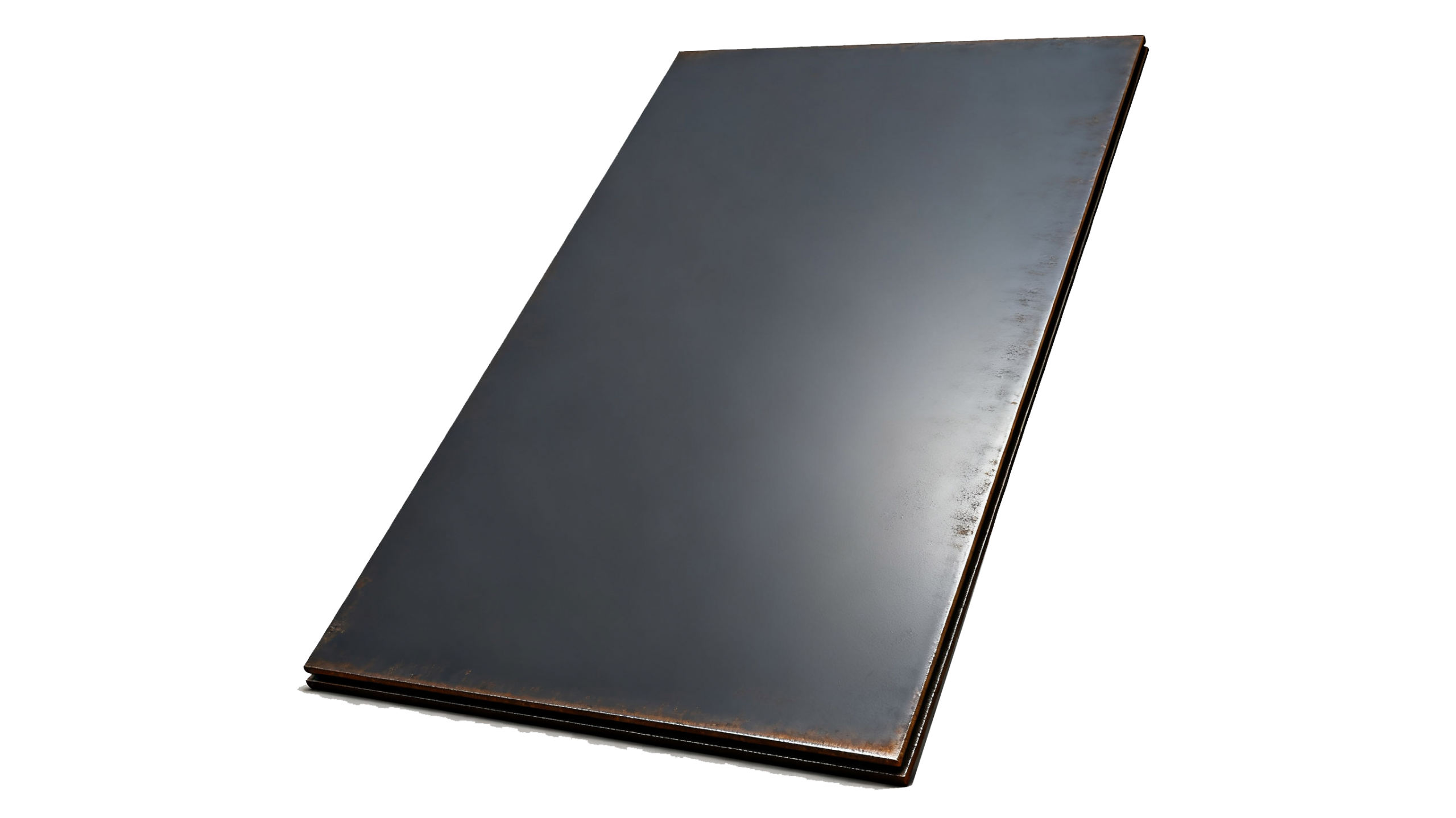
Wear Resistant Steel Plates
Product Application: Crusher liners, feeder bottom plates, chutes, mine car bodies, excavator bucket teeth, loader buckets, bulldozer track shoes, belt conveyor idlers, silo liners, screw conveyor blades, cement mill liners, coal powder conveying pipelines, coke hoppers, blast furnace bells, sintering machine trolley panels, steelmaking converter slag baffles, etc.
Delivery conditions:The goods can be delivered under various conditions, such as hot rolling, normalization, tempering, quenching, N+T, T+Q, etc.
Specifications & Standards:Refer to the table below
Consultation Hotline: 0086-371-55023661
| Category | Details |
|---|---|
| Executive Standards | Domestic Standards: GB/T 24186-2021 (Wear-Resistant Steel Plates), GB/T 3274-2017 (Hot-Rolled Thick Plates of Carbon Structural Steel and Low-Alloy Structural Steel) International Standards: EN 10025-6 (High-Strength Structural Steel), ASTM A514 (Quenched & Tempered High-Strength Steel) Common Grades: Domestic NM360/NM400/NM450/NM500/NM550; International HARDOX 400/HARDOX 450/HARDOX 500; Clad Wear-Resistant Steel Q355+NM400 |
| Specification Range | Thickness: 3 – 300 mm (3-100mm for single alloy wear-resistant steel; 8-30mm base layer + 3-20mm wear-resistant layer for clad wear-resistant steel) Width: 1000 – 4800 mm (conventional 1500/2000/2200mm, customizable) Length: 3000 – 18000 mm (fixed-length tolerance ±5mm) Delivery Form: Quenched & Tempered (Q+T) plate, Thermo-Mechanically Controlled Processing (TMCP) plate, Clad Welded Plate (base layer + wear-resistant layer) |
| Chemical Composition (Typical Grades, %) | NM400 (Alloy Wear-Resistant): C 0.12-0.20, Si 0.20-0.60, Mn 1.00-1.60, Cr 1.00-1.50, Mo 0.20-0.50, Ni 0.30-0.80, B ≤ 0.005 HARDOX 450 (International Grade): C ≤ 0.22, Si ≤ 0.70, Mn ≤ 1.70, Cr 1.50-2.00, Mo 0.30-0.60, Ni ≤ 1.00 Clad Wear-Resistant Steel (Q355+NM400): Base layer complies with Q355 composition; wear-resistant layer same as NM400Core Requirements: Low sulfur and phosphorus (S ≤ 0.015%, P ≤ 0.025%); alloying element strengthening matrix + carbide hard phase |
| Mechanical Properties (Room Temperature) | Hardness (HBW): NM360 320-380, NM400 360-420, NM450 400-460, HARDOX 500 470-530 Yield Strength (σs): NM360 ≥ 1000MPa, NM400 ≥ 1100MPa, NM500 ≥ 1300MPa – Tensile Strength (σb): NM360 1200-1400MPa, NM450 1350-1550MPa, HARDOX 450 1400-1600MPa Elongation (A5): ≥ 10% (ensures toughness, avoids impact brittleness)- Impact Energy (Akv): ≥ 27J (-20℃, Charpy V-notch) |
| Heat Treatment State | Alloy Wear-Resistant Steel: Quenched & Tempered (900-950℃ quenching + 550-650℃ tempering), forming martensite + bainite structure with precipitated carbide hard phase Clad Wear-Resistant Steel: Base layer normalized + wear-resistant layer submerged arc welding (automatic submerged arc welding, post-weld tempering for stress relief) Core Requirements: Hardness uniformity (hardness difference ≤30HBW within the same plate), no network carbides, crack prevention |
| Processing Adaptability | Welding: Preheating to 150-250℃ (thickness > 12mm); use low-hydrogen electrodes (e.g., E9018-G); slow cooling or 200-300℃ heat preservation for stress relief after welding Cutting: Flame cutting (thick plates), plasma cutting (medium-thick plates), laser cutting (thin plates); cutting speed 30% lower than ordinary steel to prevent cracking Forming: Cold bending radius ≥ 3× plate thickness (NM360/NM400), ≥ 5× plate thickness (NM450+); avoid hard bending Surface Treatment: Factory-supplied with anti-rust paint; custom wear-resistant coatings (e.g., polyurethane) available for enhanced protection |
| Wear Resistance Performance | Wear Test: NM400 wear resistance is 3-5 times that of Q235 steel, NM500 5-8 times, HARDOX 500 8-10 times Wear Mechanism: Carbide (Cr7C3, Fe3C) hard phases dispersedly distributed (hardness ≥ HV1000), resisting material impact wear Applicable Wear Types: Abrasive wear, impact wear, adhesive wear (e.g., ore, coal, cement and other media) |
| Application Fields | Mining Machinery: Crusher liners, feeder bottom plates, chutes, mine car bodies Construction Machinery: Excavator bucket teeth, loader buckets, bulldozer track shoes Conveying Equipment: Belt conveyor idlers, silo liners, screw conveyor blades Building Materials/Chemical Industry: Cement mill liners, coal powder conveying pipelines, coke hoppers Metallurgical Equipment: Blast furnace bells, sintering machine trolley panels, steelmaking converter slag baffles |
| Inspection Requirements | Routine Testing: Chemical composition analysis, hardness test (Brinell hardness tester, ≥3 test points per square meter), tensile/impact test Wear Resistance Testing: Martindale wear test, ball drop impact wear test (provided on demand) Non-Destructive Testing (NDT): Ultrasonic flaw detection (GB/T 6402/ASTM A578, 100% flaw detection for thick plates); bonding strength test of wear-resistant layer for clad wear-resistant steel Certificate Requirements: EN 10204 3.1 material certificate, wear resistance test report |
| Core Characteristics | High Wear Resistance: Hardness ≥ 320HBW, strengthened by carbide hard phases; service life 3-10 times that of ordinary steel- Balance of Strength and Toughness: Quenching & tempering ensures both hardness and toughness, capable of withstanding medium impact loads (avoids brittleness) Processing Compatibility: Low carbon equivalent design, supporting welding, cutting, forming and other conventional processing Diverse Options: Single alloy steel for medium-low wear; clad wear-resistant steel (tough base layer + high-hardness wear-resistant layer) for high-impact and high-wear conditions |
Friend links:HENAN STEEL GUANG INTERNATIONAL TRADE CO., LTD.







Global Hotline: 0086-371-55023661 Email: info@steelguang.com
Copyright © 2019 HENAN STEEL GUANG INTERNATIONAL TRADE CO., LTD.
Global Hotline:0086-371-55023661
Copyright © 2019 HENAN STEEL GUANG INTERNATIONAL TRADE CO., LTD.