



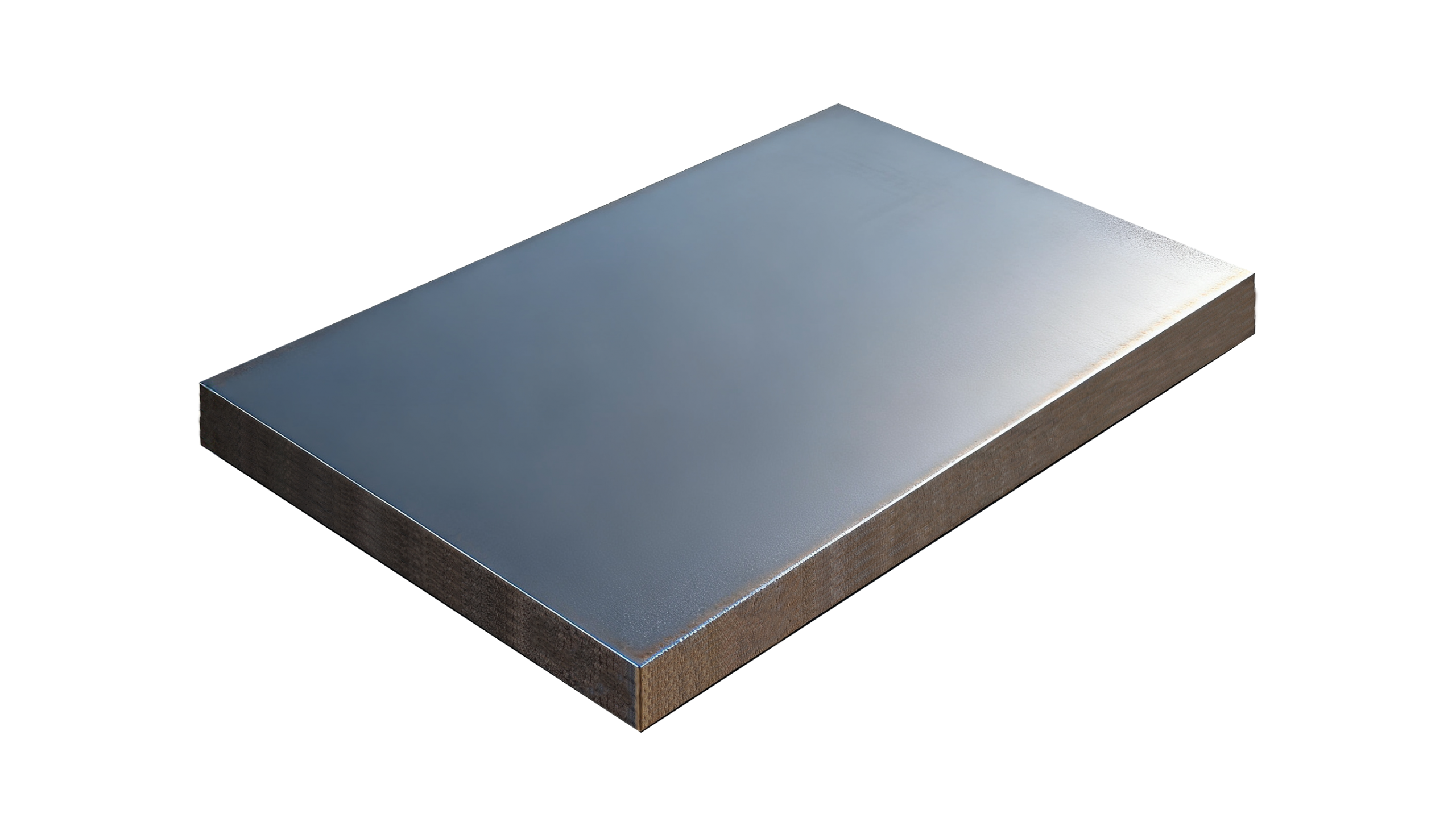
High Yield Strength Structural Steel Plate
Product Application: Super high-rise building frame/core tube, large-span bridge, steel structure factory column beam, seismic resistant building, crane boom, excavator frame, tower crane standard section, engineering vehicle chassis, wind turbine tower tube/flange, offshore platform conduit frame, large equipment base, high-speed guardrail, shield machine cutterhead, railway bridge support, etc.
Delivery conditions:The goods can be delivered under various conditions, such as hot rolling, normalization, tempering, quenching, N+T, T+Q, etc.
Specifications & Standards:Refer to the table below
Consultation Hotline: 0086-371-55023661
| Category | Details |
|---|---|
| Executive Standards | Domestic Standards: GB/T 1591-2018 (Low Alloy High Strength Structural Steel), GB/T 3274-2017 (Hot-Rolled Thick Steel Plates), GB/T 19879-2015 (Steel Plates for Building Structures) International Standards: EN 10025-6 (High Strength Structural Steel), ASTM A514/A514M (Quenched & Tempered High Strength Steel), JIS G3106 (High Strength Steel for Structural Use) Common Grades: Domestic Q460/Q500/Q690/Q960; International S690QL/S960QL, ASTM A514 Gr.Q/Gr.S; Seismic Building Steel Q460GJE/Q690GJE |
| Specification Range | Thickness: 3 – 150 mm (thick plates ≥ 60mm require Z-direction performance Z15/Z25/Z35 for lamellar tearing resistance) Width: 1000 – 4800 mm (conventional 1500/2000/2200mm, custom wide plates available) Length: 3000 – 24000 mm (fixed-length tolerance ±5mm, extra-long plates for large-scale structures) Delivery Form: Quenched & Tempered (Q+T) plate, Thermo-Mechanically Controlled Processing (TMCP) plate, Normalized + Tempered (N+T) plate (for thick plates) |
| Chemical Composition (Typical Grades, %) | Q690 (Chinese mainstream): C ≤ 0.20, Si 0.20-0.60, Mn 1.00-1.80, Cr 0.40-0.80, Mo 0.10-0.30, Ni 0.30-0.80, B ≤ 0.005 S690QL (European standard): C ≤ 0.22, Si ≤ 0.60, Mn ≤ 1.70, Cr 0.50-1.00, Mo 0.20-0.50, Ni ≤ 1.00 ASTM A514 Gr.Q (American standard): C ≤ 0.18, Si 0.15-0.35, Mn 0.80-1.20, Cr 0.80-1.10, Mo 0.20-0.30 Core Requirements: Carbon Equivalent (CEV) ≤ 0.50% (ensures weldability), S ≤ 0.015%, P ≤ 0.025% (reduces defects) |
| Mechanical Properties (Room Temperature) | Yield Strength (σs): Q460 ≥ 460MPa, Q690 ≥ 690MPa, Q960 ≥ 960MPa, S690QL ≥ 690MPa, A514 Gr.Q ≥ 690MPa Tensile Strength (σb): Q460 550-720MPa, Q690 770-940MPa, Q960 1050-1250MPa, S690QL 770-940MPa Elongation (A5): ≥ 14% (Q960), ≥ 16% (Q460/Q690) Impact Energy (Akv): ≥ 34J (-20℃, Charpy V-notch); seismic steel ≥ 47J (-40℃) Hardness: 220-320HBW (quenched & tempered state) |
| Heat Treatment State | Quenched & Tempered Grades (Q690/Q960/S690QL): Quenching at 880-950℃ (water/oil cooling) + tempering at 550-650℃, forming tempered martensite + bainite structure TMCP Grades (Q460/Q500): Thermo-Mechanically Controlled Processing (controlled temperature rolling + online tempering) for grain refinement strengthening Seismic Grades (Q460GJE): Normalized + tempered or quenched & tempered to ensure low-temperature toughness and seismic performance Core Requirements: Grain size ≥ Grade 5, no network carbides, yield strength uniformity ≤ ±50MPa |
| Processing Adaptability | Welding: Preheating to 80-200℃ (for thickness > 12mm/Q690+), use low-hydrogen electrodes (E8018-G/E11018-G), post-weld stress relief heat treatment (600-650℃ for thick plates) Cutting: Laser cutting (thin plates), plasma cutting (medium-thick plates), flame cutting (thick plates); cutting speed 20% lower than ordinary steel to prevent cracking Forming: Cold bending radius ≥ 2× plate thickness (Q460), ≥ 3× plate thickness (Q690), ≥ 5× plate thickness (Q960); avoid hard bending Surface Treatment: Factory-supplied with anti-rust primer, custom anti-corrosion coatings (e.g., fluorocarbon paint) available |
| Applicable Working Conditions | Temperature Range: -40℃ ~ 400℃ (conventional); special customization for low-temperature working conditions down to -60℃ Load-Bearing Range: Design stress ≤ 350MPa (Q460), ≤ 550MPa (Q690), ≤ 800MPa (Q960) Environment Adaptability: Normal temperature, low temperature, humidity (with matching anti-corrosion); seismic intensity ≤ Grade 9 |
| Application Fields | Construction Engineering: Super high-rise building frames/core tubes, long-span bridges, steel structure factory columns/beams, seismic buildings Construction Machinery: Crane booms, excavator frames, tower crane standard sections, engineering vehicle chassis Special Structures: Wind turbine towers/flanges, offshore platform jackets, large equipment bases Transportation Infrastructure: Highway guardrails, shield machine cutterheads, railway bridge bearings |
| Inspection Requirements | Routine Testing: Chemical composition analysis, tensile/impact test, hardness test, bending test Non-Destructive Testing (NDT): Ultrasonic flaw detection (GB/T 6402/ASTM A578 Level B, 100% full coverage); magnetic particle/penetrant testing supplementary for thick plates Special Testing: Z-direction tensile test (thickness ≥ 40mm), seismic performance test (seismic simulation loading) Certificate Requirements: EN 10204 3.2 material certificate, seismic certification (GB 50011), third-party test report |
| Core Characteristics | High Load-Bearing Capacity: Yield strength 2-4 times that of ordinary Q235 steel, enabling thinner structure thickness and reduced self-weight- Balance of Strength and Toughness: Quenching & tempering ensures high strength and low-temperature toughness, with excellent impact and fatigue resistance Weld Adaptability: Low carbon equivalent design meets on-site large-area welding needs Seismic Safety: Seismic grades pass hysteretic performance tests to resist seismic alternating loads |
Friend links:HENAN STEEL GUANG INTERNATIONAL TRADE CO., LTD.







Global Hotline: 0086-371-55023661 Email: info@steelguang.com
Copyright © 2019 HENAN STEEL GUANG INTERNATIONAL TRADE CO., LTD.
Global Hotline:0086-371-55023661
Copyright © 2019 HENAN STEEL GUANG INTERNATIONAL TRADE CO., LTD.