



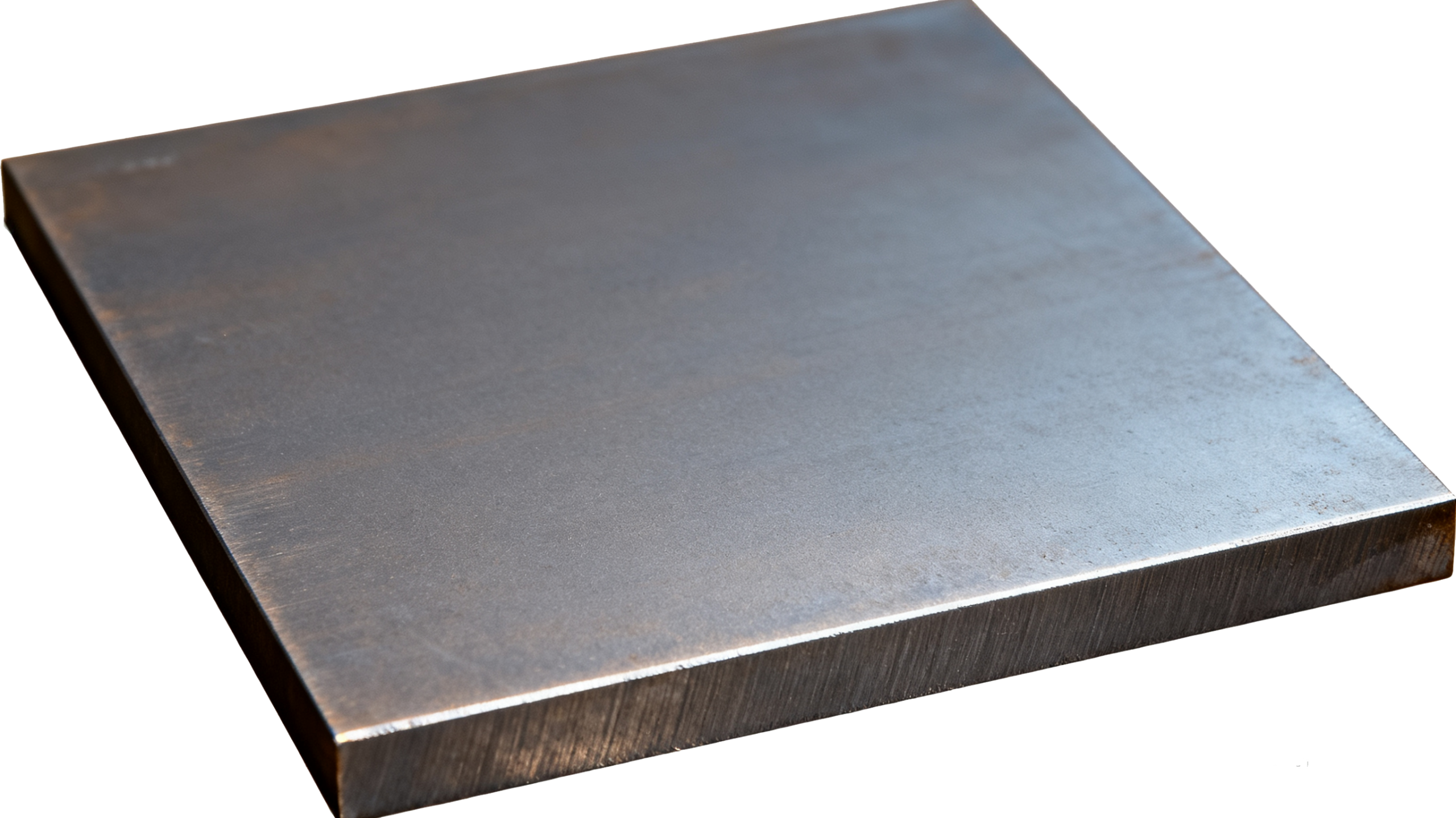
AISI 4140 steel plate
Product Application: Mechanical high-strength gears, crankshafts, transmission shafts, oil drill pipe joints, deep well tools, automotive engine connecting rods, suspension parts, aircraft landing gear structural parts, fasteners, cold work molds, wear-resistant tools, etc
Delivery conditions:The goods can be delivered under various conditions, such as hot rolling, normalization, tempering, quenching, N+T, T+Q, etc. Z15-Z35 can also be provided.
Specifications & Standards:Refer to the table below
Consultation Hotline: 0086-371-55023661
| Category | Details |
|---|---|
| Executive Standards | ASTM A29/A29M, EN 10083-13 |
| Grades | AISI 4140, 42CrMo4, JIS SCM440, GB/T 3077 42CrMo |
| Product Form & Dimensions | Thickness: 8mm – 150mm Width: 1000mm – 4000mm Length: 1000mm – 20000mm |
| Chemical Composition (%) (Melting Analysis) | C: 0.38 – 0.43Si: 0.15 – 0.35Mn: 0.75 – 1.00P ≤ 0.035, S ≤ 0.040 (per ASTM Standard)Cr: 0.80 – 1.10Mo: 0.15 – 0.25Ni ≤ 0.30, Cu ≤ 0.30 (supplementary per GB Standard) |
| Mechanical Properties (Quenched & Tempered State) | Tensile Strength: 980 – 1130 MPa Yield Strength: ≥ 930 MPa Elongation (A5): ≥ 12%- Reduction of Area: ≥ 45% Impact Energy (-20℃): ≥ 63 J (transverse Charpy V-notch) Hardness: 241 – 285 HB (annealed); 28 – 34 HRC (quenched & tempered) |
| Heat Treatment Process | Quenching: 850℃ oil cooling- Tempering: 540 – 650℃ air cooling (adjusted by hardness requirements) Normalizing: 860℃ air cooling (grain refinement) Surface Treatment: Nitriding (hardness up to HV900) |
| Physical Properties | Density: 7.85 g/cm³- Elastic Modulus: 190 – 210 GPa Coefficient of Thermal Expansion: 12.2×10⁻⁶/℃ (20 – 100℃) Melting Point: 1416℃ |
| Processing Technology | Welding: Preheating to 200 – 300℃ required, use low-hydrogen electrodes, post-weld tempering for stress relief Machinability: Good in annealed state (65% machinability compared to AISI 1212 steel) Cold Forming: Perform after annealing to avoid cracking |
| Application Fields | Machinery Manufacturing: High-strength gears, crankshafts, transmission shafts Energy Equipment: Oil drill pipe joints, deep well tools (withstand high pressure below 2000m) Automotive Industry: Engine connecting rods, suspension components Aerospace: Landing gear structural parts, fasteners Mold Manufacturing: Cold working molds, wear-resistant tools (service life increased by 3-5 times after nitriding) |
| Inspection Requirements | Tensile test, impact test, hardness test- Ultrasonic flaw detection (ASTM E2375/SAE AMS 2154, 100% coverage) Provide EN 10204 3.1/3.2 material certificate |
| Special Characteristics | Hardenability: Critical oil quenching diameter about 30mm, uniform properties achievable via quenching and tempering for large-section parts Fatigue Resistance: High purity (P ≤ 0.035%, S ≤ 0.040%) ensures low notch sensitivity High-Temperature Stability: Maintains high strength below 427℃, suitable for turbo-machinery components |
Friend links:HENAN STEEL GUANG INTERNATIONAL TRADE CO., LTD.







Global Hotline: 0086-371-55023661 Email: info@steelguang.com
Copyright © 2019 HENAN STEEL GUANG INTERNATIONAL TRADE CO., LTD.
Global Hotline:0086-371-55023661
Copyright © 2019 HENAN STEEL GUANG INTERNATIONAL TRADE CO., LTD.